Periodontal Treatment Ventura: Managing Gum Disease With Confidence
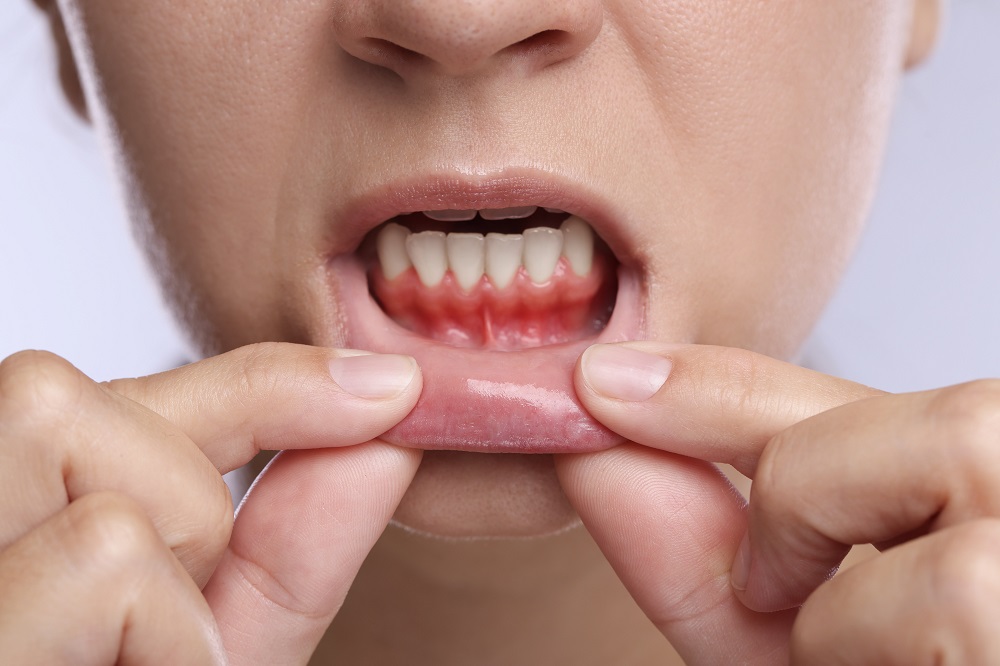

Gum disease has a way of staying quiet until it is not. Many people first notice a little blood in the sink, a touch of tenderness while flossing, or a faint sense that their teeth feel different when they bite down. It is easy to dismiss those changes, especially when they https://edgarrfkf291.alderbrief.com/posts/what-you-should-avoid-after-periodontal-treatment-in-ventura come and go. Yet periodontal disease rarely resolves on its own. Left untreated, it can progress from mild inflammation to deeper infection, bone loss, loose teeth, and expensive restorative work that could have been avoided.
That is why thoughtful, timely periodontal care matters. When patients ask about Periodontal Treatment Ventura, they are usually asking more than one question at once. They want to know whether their gums can heal, whether treatment will hurt, whether they are at risk of losing teeth, and whether the time and cost will truly make a difference. Those are fair questions. The good news is that gum disease is manageable in many cases, and even advanced cases can often be stabilized with the right approach.
Why gum disease deserves early attention
Healthy gums do more than frame the teeth. They create a stable seal around each tooth, help protect the underlying bone, and support the entire chewing system. Once plaque and bacteria remain along the gumline long enough, the tissue becomes inflamed. At first, this may show up as gingivitis, which is the earliest stage and is often reversible. If inflammation persists, the attachment between the gum and tooth can begin to break down. Pockets form, bacteria move deeper, and the body’s inflammatory response starts affecting the bone that supports the teeth.
That process is often slower than patients expect. It can unfold over years, sometimes with long periods where there is little pain. I have seen people feel shocked by a diagnosis because they assumed a lack of pain meant a lack of disease. In reality, periodontal disease is often more like a structural problem than a dramatic emergency. By the time teeth feel loose or gums look dramatically altered, the infection has usually been active for some time.
In Ventura, where many residents live active lives and value long-term health, the conversation around periodontal care is increasingly practical rather than cosmetic. People are not just trying to improve how their smile looks. They are trying to keep their natural teeth functioning for decades. That shift in mindset leads to better outcomes because treatment works best when patients understand that gum health is maintenance, not a one-time fix.
What periodontal disease can look like in real life
Textbook descriptions are useful, but most patients do not walk into a dental office describing “periodontal pocketing” or “attachment loss.” They usually describe changes in everyday terms. Their gums bleed when brushing. Their breath seems harder to freshen. Food starts catching between teeth where it never used to. A spouse might mention that the person’s teeth look longer, when in fact the gums are receding.
A common pattern looks like this: a patient delays cleanings for a year or two because life gets busy. Bleeding starts, but they brush less firmly to avoid seeing blood. Plaque accumulates more easily. Tartar hardens below the gumline where a regular toothbrush cannot remove it. By the time they schedule an appointment, what could have been handled with a simpler intervention now requires deeper treatment.
Not every case follows that path, of course. Some people are extremely diligent and still develop periodontal problems because genetics, diabetes, hormonal changes, dry mouth, smoking history, certain medications, or bite forces complicate the picture. Gum disease is not a moral failing. It is a clinical condition with multiple drivers, and good care starts by identifying those drivers instead of blaming the patient.
The signs that should not be ignored
A few symptoms deserve prompt attention because they often suggest active periodontal inflammation or structural change:
- bleeding during brushing or flossing that happens regularly
- gums that appear swollen, tender, or darker red than usual
- persistent bad breath or a bad taste that keeps returning
- gum recession, or teeth that seem to look longer
- teeth that shift, feel loose, or trap food in new spaces
Any one of these signs can have more than one cause, but together they strongly suggest it is time for an evaluation. The most important point is not to wait for pain. Pain is an unreliable guide in periodontal disease.
How periodontal treatment is diagnosed and planned
A proper periodontal evaluation is more detailed than a standard quick cleaning visit. The clinician will usually look at gum inflammation, measure the depth of the spaces around the teeth, check for bleeding points, assess recession, evaluate plaque buildup, and take appropriate imaging to see the supporting bone. Those pieces tell a story. A person with generalized mild inflammation and little bone loss needs a different plan than someone with deep pockets concentrated around molars, old crowns that trap plaque, and signs of clenching.
This is where nuance matters. Periodontal treatment should not be sold as a package. It should be tailored. For one patient, the most important factor may be a long lapse in hygiene care. For another, it may be uncontrolled diabetes that makes healing less predictable. For someone else, it may be anatomy, such as tight lower front teeth where tartar accumulates rapidly despite decent home care.
When people seek Periodontal Treatment Ventura, the strongest treatment plans usually account for more than what is happening at the gums alone. They consider restoration needs, bite stability, medical conditions, smoking or vaping habits, stress, dry mouth, and the patient’s ability to return for maintenance. A technically correct procedure can still fail if the plan ignores those realities.
The difference between a regular cleaning and periodontal therapy
This is one of the most misunderstood parts of dental care. A regular prophylaxis, often called a routine cleaning, is designed for mouths that are generally healthy or have only mild gingival inflammation without significant attachment loss. It focuses on removing soft plaque and tartar from accessible areas before disease advances.
Periodontal therapy addresses disease that has moved deeper. Once plaque and calculus have extended below the gumline and periodontal pockets have formed, a routine cleaning is no longer enough. That does not mean anyone is being upsold. It means the level of disease has changed, and the treatment must match it.
The most common nonsurgical periodontal treatment is scaling and root planing. In plain language, that means carefully cleaning below the gumline to remove deposits and smooth the root surfaces so the tissue can heal and reattach as much as possible. In some practices, local anesthetic is used so the area can be treated thoroughly and comfortably. Depending on the extent of disease, treatment may be done by quadrant, by half-mouth, or with another schedule that fits the case.
Patients are sometimes surprised to learn that the cleaning itself is only part of the therapy. The follow-up matters just as much. Tissue response, bleeding reduction, pocket depth improvement, and home care habits all determine whether the treatment succeeds.
What treatment often feels like, before and after
Fear about discomfort keeps a lot of people from scheduling necessary care. Most do better than they expect. Modern periodontal therapy, especially when done with good anesthesia and clear communication, is usually manageable. The sensation after treatment is often closer to soreness or tenderness than severe pain. Gums may feel sensitive for a few days, especially around areas that had heavier buildup or deeper inflammation.
Cold sensitivity can briefly increase after tartar is removed from exposed root surfaces. That tends to be more noticeable in patients with recession. Soft foods for a day or two, gentle brushing with a soft brush, and using any recommended rinse can make recovery easier. If several areas are treated, spacing appointments in a reasonable way can help patients maintain normal routines without feeling overwhelmed.
One practical tip I often share is that patients should not judge the success of periodontal treatment solely by how they feel in the first 48 hours. The bigger marker is what happens over the next few weeks. Bleeding should decrease. Swelling should calm. The gums should start looking firmer and less irritated. If none of that happens, the office needs to know, because unresolved inflammation usually means something still needs to be addressed.
When nonsurgical treatment is enough, and when it is not
Many cases respond well to nonsurgical therapy, especially when the disease is caught before severe bone loss develops. Pockets may shrink, inflammation may resolve, and a patient can move into a maintenance phase with a realistic chance of keeping stable gums for years.
Still, there are limits. Deep isolated defects, furcation involvement between molar roots, advanced recession, persistent pockets, or areas that are difficult to clean because of tooth anatomy may require surgical treatment. That does not automatically mean a worst-case scenario. Periodontal surgery can range from access procedures that allow deeper cleaning to regenerative approaches aimed at preserving support where possible.
The right threshold for surgery depends on the whole case. A 5 millimeter pocket in one patient may remain stable with good maintenance, while the same reading in another patient, combined with bleeding, bone loss, and mobility, may need a more aggressive response. Numbers matter, but context matters more.
The role of maintenance, which is where long-term success is won
Periodontal treatment is not like getting a cavity filled and moving on. Once someone has had periodontitis, they remain more vulnerable to recurrence. Bacteria repopulate. Tartar returns. Inflammation can come back quickly in susceptible mouths. That is why periodontal maintenance visits are such a central part of care.
A common maintenance interval is every three to four months, though not everyone needs the same schedule forever. Some patients stabilize beautifully and can be reassessed over time. Others need close monitoring long term because of deep history, complex restorations, or medical risk factors. The goal is not to create endless appointments. The goal is to interrupt the disease cycle before it regains momentum.
This is one of the hardest concepts for patients who feel fine after the first round of treatment. Once the gums stop bleeding and tenderness fades, it is tempting to assume the problem is solved. Clinically, that is when the important work begins. Stability is maintained, not assumed.
Home care that genuinely changes outcomes
There is no elegant workaround for home care. Professional treatment can reduce the bacterial burden dramatically, but daily plaque control at home determines how long those gains last. That said, the advice has to be realistic. Telling someone to “floss better” without showing technique rarely helps.
Most adults do well with a soft power toothbrush, careful cleaning at the gumline, and some form of interdental cleaning that they will actually use consistently. For some, that is floss. For others, small interdental brushes are more effective, especially where gum recession has opened spaces between teeth. Water flossers can be useful adjuncts, though they should not always be treated as a complete replacement for mechanical plaque removal in every patient.
What matters most is fit. A home routine that is perfect in theory but abandoned after three days has little clinical value. A simpler routine done every day almost always beats a complex one done once a week. If there is bleeding during the early phase of improved home care, many patients assume they should stop. Usually the opposite is true, as long as the technique is gentle and the office has ruled out a more serious issue.
Smoking, diabetes, stress, and other factors that complicate healing
Some mouths heal faster than others, even with identical treatment. That is not random. Tobacco use remains one of the most significant risk factors in periodontal disease. Smokers may bleed less visibly than nonsmokers, which can mask how much disease is actually present, yet they often heal less predictably and lose support faster over time.
Diabetes also has a strong two-way relationship with gum disease. Poor glycemic control can worsen periodontal inflammation, and active periodontal infection can make blood sugar management harder. That does not mean treatment should wait until everything is perfect. It means medical and dental care need to support each other.
Stress, bruxism, dry mouth, and certain medications also deserve attention. A patient who clenches heavily may experience mobility or trauma that complicates periodontal recovery. Someone taking medications that reduce saliva may struggle with plaque control because the mouth loses some of its natural protective function. Experienced clinicians look for these patterns because treating gum disease without addressing the surrounding conditions can lead to frustration on both sides.
What to ask during a periodontal consultation
The best consultations are conversations, not monologues. A patient should leave understanding not just what is recommended, but why. If you are scheduling Periodontal Treatment Ventura, a few questions can make the plan much clearer:
- How advanced is the disease, and which areas are most affected?
- Is the recommendation nonsurgical treatment, surgery, or phased care?
- What kind of improvement is realistic, and what limits should I know about?
- How often will I need maintenance visits after treatment?
- Which home care tools are most useful for my specific mouth?
Those questions often reveal whether the plan is individualized or generic. Good periodontal care is specific. It should explain where the trouble spots are, what the short-term goals look like, and how progress will be measured.
Ventura-specific practical considerations
People often underestimate how much logistics shape healthcare outcomes. In Ventura, patients balancing work, family schedules, school pickups, and commuting are more likely to follow through when treatment is broken into practical phases. That can mean handling the most urgent quadrants first, coordinating periodontal care with restorative appointments, or planning maintenance around a predictable routine.
It also means understanding local lifestyle patterns. Patients who surf, run, teach, work outdoors, or speak professionally all have different concerns about recovery, sensitivity, and appointment timing. A teacher may want treatment before a long weekend. A contractor may need to avoid numbing on a day that requires precise communication with clients. These details sound small, but they improve compliance because they respect how people actually live.
Financial planning matters too. Periodontal treatment can represent a meaningful investment, especially when paired with crowns, implants, or other restorative work. The right way to discuss cost is honestly. Early treatment is usually less expensive than delayed treatment. At the same time, treatment should be prioritized sensibly. Stabilizing active infection before replacing cosmetic issues often saves money and preserves options later.
When teeth are already loose or bone loss is advanced
Advanced periodontal disease does not always mean every affected tooth is hopeless. Prognosis is more refined than that. Some teeth with significant bone loss can be stabilized for years if the bite is managed, inflammation is controlled, and the patient is committed to maintenance. Others may continue to deteriorate despite appropriate therapy because the remaining support is too limited or the anatomy is unfavorable.
This is where experienced judgment matters. Extracting too early can sacrifice a tooth that might have served well for a long time. Waiting too long can allow infection to compromise neighboring teeth or reduce future restorative options. The right decision often sits in that middle ground where biology, function, cost, and patient preference intersect.
I have seen patients keep strategically important teeth far longer than expected because they became meticulous with maintenance and accepted regular monitoring. I have also seen relief on a patient’s face when a chronically infected tooth was finally removed after months of uncertainty. Confidence in periodontal care does not come from being promised perfect outcomes. It comes from having a plan that is honest about risks and flexible enough to adapt.
The emotional side of gum disease, which is rarely discussed enough
There is a quiet embarrassment that often comes with periodontal problems. Patients worry they will be judged for bleeding, tartar buildup, bad breath, or years away from dental care. That shame can delay treatment even further. It is one of the most unhelpful barriers in this field.
Most periodontal professionals have seen every stage of disease imaginable. The relevant question is not how someone got there. The relevant question is what can be done now. When patients feel respected rather than scolded, they are much more likely to return for maintenance, improve their routines, and stick with treatment through the less glamorous parts.
Confidence is built in small steps. It starts when a patient understands the diagnosis. It grows when the first treated area heals better than expected. It becomes durable when maintenance visits stop feeling like damage control and start feeling like sensible prevention.
A realistic path forward
If your gums bleed often, if your teeth seem to be shifting, or if it has been far too long since anyone measured your periodontal health, delaying rarely improves the picture. A thorough evaluation can tell you whether the problem is mild and reversible, whether deeper therapy is warranted, or whether specialist care is the best next move.
The encouraging part is that periodontal disease is often more manageable than people fear once it is clearly defined. There may be scaling and root planing, more frequent maintenance, better home tools, and in some cases surgical care. There may also be difficult conversations about smoking, diabetes, or habits that need to change. None of that is glamorous, but it is effective.
For patients exploring Periodontal Treatment Ventura, the strongest first step is not to search for the least invasive option at any cost. It is to seek a careful diagnosis, a treatment plan that matches the actual disease, and a team willing to explain the trade-offs plainly. Healthy gums are not built in a single visit. They are built through accurate assessment, skilled treatment, and steady follow-through. That is how gum disease is managed with confidence, and how natural teeth are given the best chance to last.
Avra Dental
Address: 1708 S Victoria Ave B, Ventura, CA 93003
Phone number: (805) 941-1001
FAQ About Periodontal Treatment Ventura
Can a dentist get rid of periodontal disease?
A dentist or gum specialist (periodontist) cannot fully cure or reverse advanced periodontal disease (periodontitis), but they can successfully stop its progression and manage the infection.
Is periodontitis very serious?
Yes, periodontitis is a very serious, advanced form of gum disease that destroys the bone and tissues supporting your teeth.
How is stage 2 periodontal disease treated?
Stage 2 periodontal disease (early to moderate periodontitis) is primarily treated with non-surgical deep cleaning procedures like scaling and root planing to remove bacteria and tartar below the gumline.
Ends · JASPERFFEK462